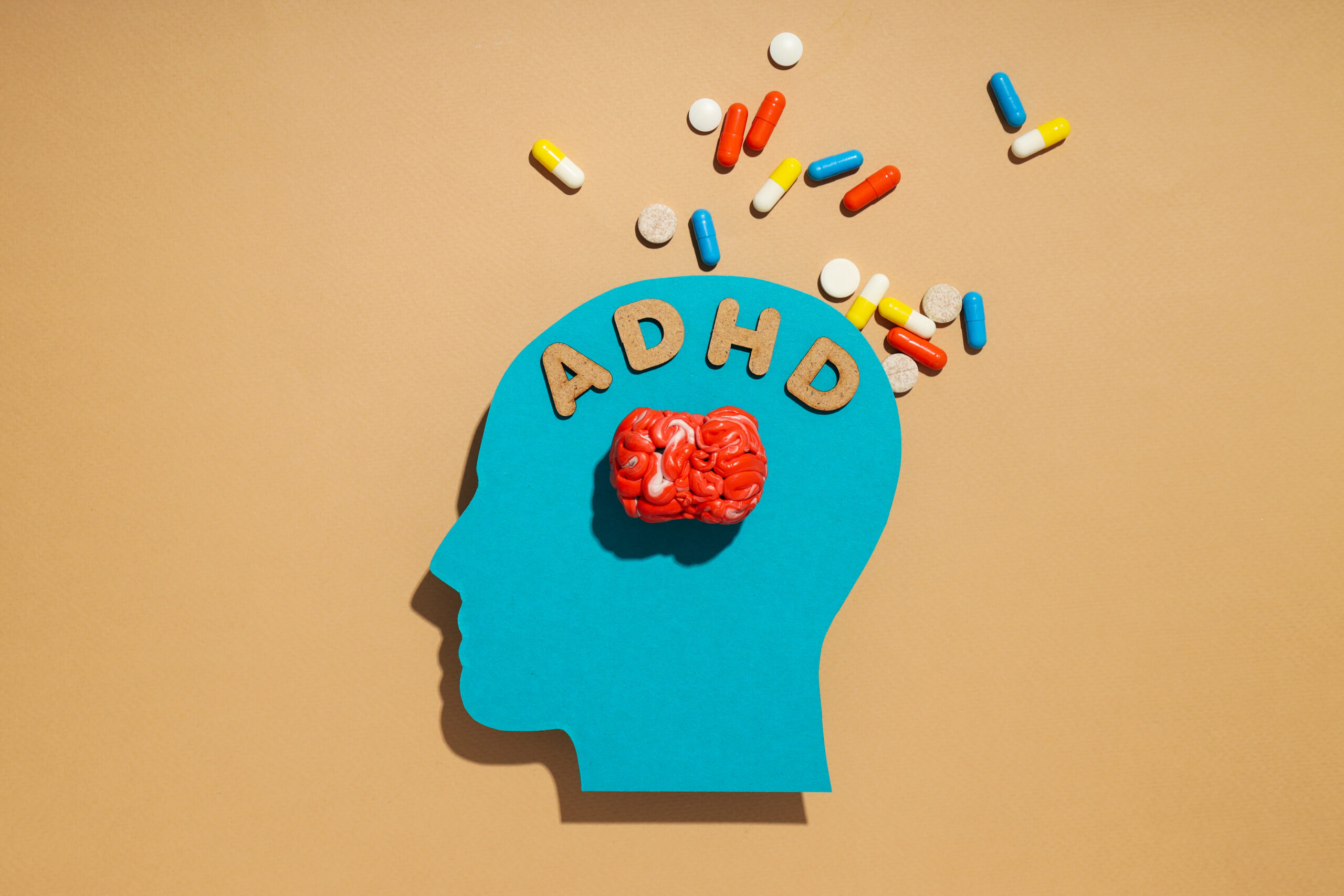
ADHD, or Attention-Deficit/Hyperactivity Disorder, is a neurodevelopmental condition that affects both children and adults. If you’re asking, “What are the symptoms of ADHD?”, you’re already on the path to understanding behaviors that might be holding someone back.
ADHD symptoms go beyond momentary distraction or bursts of energy—they include persistent patterns of inattention, impulsivity, and restlessness that interfere with daily life, relationships, learning, or work.
Types of ADHD and Their Symptoms
ADHD is typically classified into three types, each with its own pattern of symptoms:
Predominantly Inattentive Presentation
Predominantly Hyperactive-Impulsive Presentation
Combined Presentation
Inattentive Symptoms of ADHD
This type is sometimes overlooked, especially in girls and adults. Common signs include:
Frequent distractions, even during important tasks
Difficulty focusing in class, work, or conversations
Careless mistakes due to lack of attention
Seeming not to listen when spoken to
Avoidance of tasks requiring prolonged mental effort
Losing things like keys, notebooks, or phones
Forgetfulness in daily activities
Trouble with task completion or organization
Hyperactive-Impulsive Symptoms of ADHD
This type is more visible, especially in children. Signs include:
Fidgeting, tapping, or squirming when seated
Difficulty staying seated in classrooms or meetings
Running or climbing in inappropriate situations
Excessive talking or loud speech
Interrupting others in conversations or games
Blurting out answers or speaking out of turn
Difficulty waiting in line or during group activities
Combined Presentation: When All Symptoms Intersect
Those with combined-type ADHD show traits from both inattentive and hyperactive-impulsive categories. They might:
Be easily distracted and highly restless
Lose focus and talk excessively
Be disorganized and impulsive
Interrupt others and forget tasks regularly
This is the most common form of ADHD and often has the greatest impact on functioning.
ADHD Symptoms by Age
Children
Difficulty focusing in class or at home
Constant movement or talking
Trouble following directions or finishing tasks
Emotional outbursts or frustration
Social challenges or disciplinary issues
Teenagers
Trouble organizing schoolwork and deadlines
Risk-taking behaviors and poor impulse control
Mood swings or irritability
Low self-esteem related to underperformance
Struggles with friendships or authority
Adults
Chronic lateness or missed deadlines
Disorganization at home or work
Difficulty with time management
Forgetting appointments or tasks
Trouble managing finances or relationships
Feelings of being overwhelmed or mentally scattered
Diagnosing ADHD
A proper ADHD diagnosis includes:
Clinical interviews and behavior checklists
Input from teachers, parents, or partners
Observations across settings (home, work, school)
Rule-outs for other conditions (like anxiety or learning disorders)
Diagnosis is typically done by a mental health professional, pediatrician, or psychiatrist.
What You Can Do
If these symptoms sound familiar, there are many effective treatment options:
Behavioral therapy for children
Parent training and school accommodations
Medication (stimulant and non-stimulant)
Cognitive Behavioral Therapy (CBT) for teens and adults
Executive function coaching
Lifestyle adjustments like better sleep and nutrition
Learn More from Trusted Sources
For further reading, check out:
Ready to Take the Next Step?
If you or your loved one are showing signs of ADHD, you don’t have to navigate it alone. At Vanguard Behavioral Health, our compassionate team specializes in diagnosing and treating ADHD in children, teens, and adults. We take a personalized approach—because every brain is different, and every journey is unique.
📞 Contact us today to schedule a consultation and start building the tools for a more focused, balanced future.
🌐 Learn more about our services at vanguardbehavioral.com